The person sitting behind your reception desk may be the first impression a client, customer or guest has of your business. So who should you choose for that role? It is not simply a question of having the right skills or training. The personality and behavioural style of the person you put at the front of your organisation can make a significant difference to the experience they create.
In this article, I look at what makes someone effective in a reception or front-of-house role and why, from an iMA perspective, a High Yellow is particularly well suited to being the first person people meet.
Who Is the First Point of Contact?
Who is the person who your clients/customers/guest are going to come in contact with first? It may be a member of the team that they meet at an event or someone who goes out to meet them specifically. It may be a team member on the end of a phone, email or online chat. It might indeed be someone sat at the reception of your building who is the immediate face of your business and the first point of contact. How much thought has gone into deciding who that person is? What attributes are taken into account before appointed someone to be right at the front of your business? Can anyone with a degree of training do this job? That last question I can answer; no, they can’t! Let’s start with looking at front of house customer service and the reception, both in terms of a physical place and the reception that you receive when entering a building.
What Makes a Good Receptionist?
Remember how you feel when you enter a building and receive a cold or even a vague welcome from a receptionist. What is always required is a warm welcome, involving a smile, eye contact and some cheerful words. Good communication is central to creating that positive first impression, whether you’re welcoming someone at reception or speaking to a room full of people. Following that the receptionist’s job is to inform the person you are coming to see that you have arrived and offer you a seat and a drink. Sounds simple, but it isn’t. If it were that simple what I describe would happen 100% of the time at; every restaurant maître d’s podium, every hotel reception or every office block front desk; and yet most often it doesn’t. So why is that?
The Right Personality For The Role
A good question might be… “what skills do you need to be a receptionist”? The answer is that it goes beyond skills, it begins with having the right style of person doing the job. All people are divided into four behavioural styles, and jobs also divide into those very same styles. You can learn more about the four iMA behavioural styles and how they work here. Each of the four iMA styles can provide an exceptional offering as long as the job they are doing is the same iMA colour as they are. People are good at jobs they like and like jobs they are good at. In the case of a companies’ first point of contact or the person anyone will meet first when entering a building, that is a job for and only for an iMA High Yellow.
Why High Yellow?
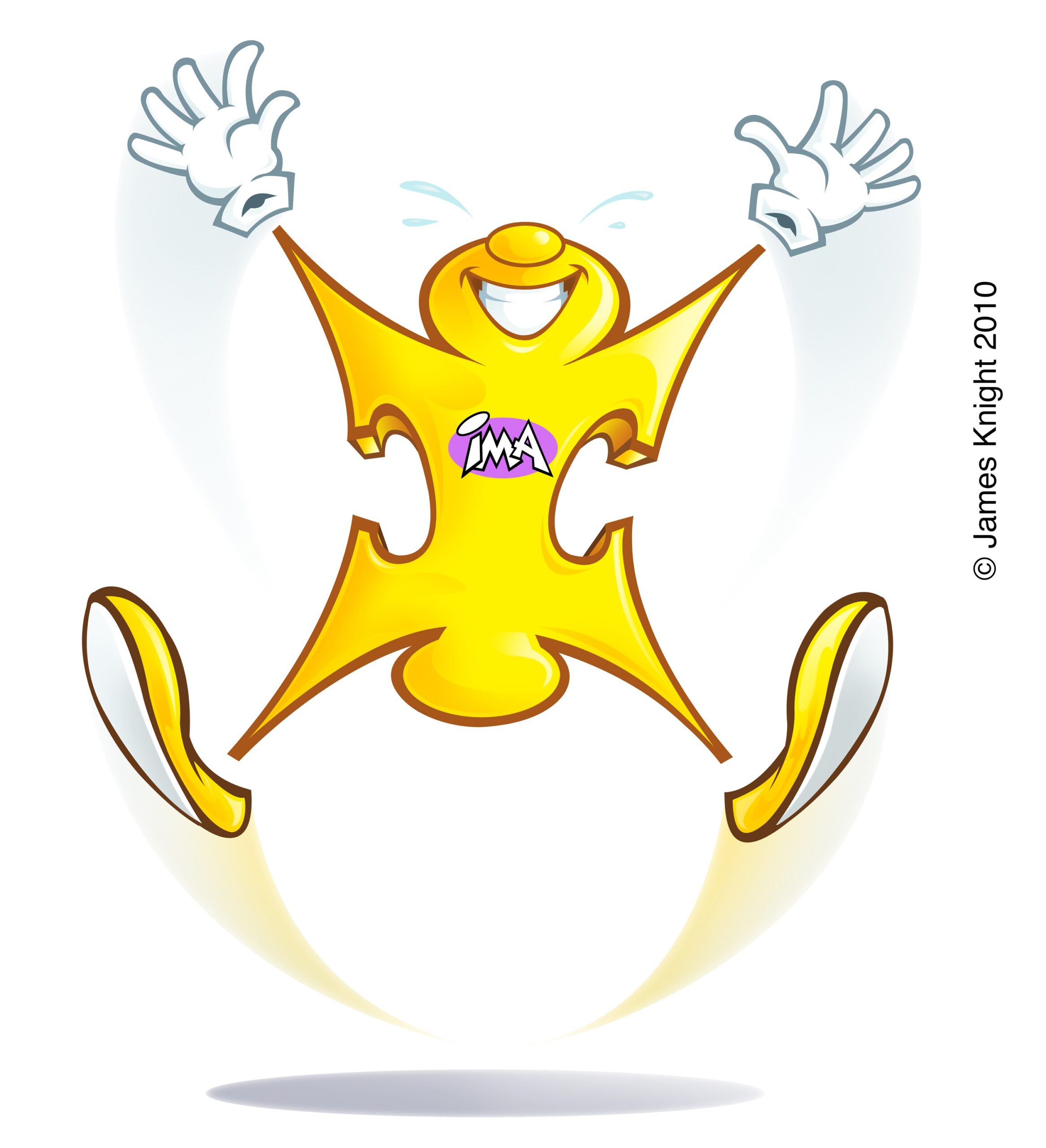
Regardless of what may have happened to them previously during their working day, the moment you enter the building and lock eyes with a High Yellow you will receive a smile and a warm welcome. High Yellow’s gain energy from engaging with people and from making the other person feel good. The other colours may either find the opening interaction uncomfortable or the “small talk” irritating. A High Yellow is very comfortable initiated a interaction and does not see the informal nature of a passing conversation as “small” in anyway. It is just a naturally friendly way to communicate with anyone in their sphere. Perfect for your reception or being the first point of contact for your firm. The more people they speak to, the more people they help, the more people they have a successful interaction with the more energised a High Yellow becomes.
If Not a High Yellow, Then Who?
iMA High Blues are also excellent relationship led people who are naturally attuned to provide top class and friendly customer service. Unlike High Yellow’s, however, they tend not to initiate a conversation so are going to want the customer to make the first move or to begin the interaction. High Blue’s may also, from time to time, carry forward any hassle they encountered earlier in the day, which affects their confidence and self-belief. This is not the case for High Yellows who will quickly reset from any setback and engage with whoever is stood in front of them. High Reds will find the never-ending personal interactions and non-specific chatter frustrating during the course of a working day and High Greens are not being used at their full capacity if they are employed to spend time speaking to people endlessly. So High Yellows it is!
To Conclude
People have iMA colours as do jobs. The person pushed furthest forward in an organisation, the person who is the first point of contact for the client/customer/guest, the person that is seen and heard first who is needed to greet everyone who approaches needs to be a High Yellow. It is my strongly held view that this is a non-negotiable.