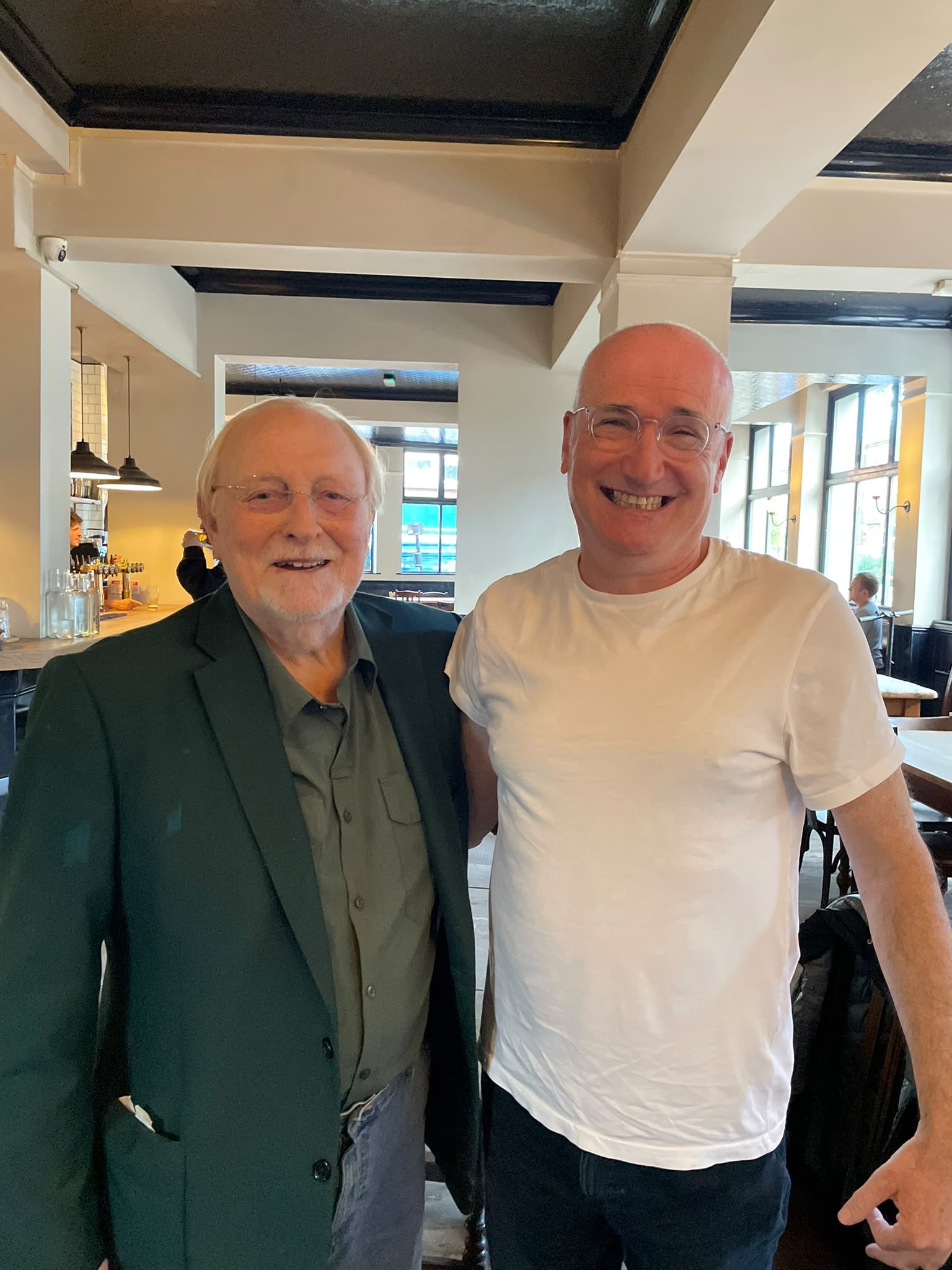
Recently I had the privilege, and it was a genuine privilege, to spend a couple of well-spent hours in the company of former Labour Party leader, Leader of the Opposition and European Commissioner, Lord Neil Kinnock. We covered a lot of subjects during our conversation about his long and extensive career. Neil Kinnock has an impressive memory, provided interesting insights and is hugely funny and engaging. One of the topics we spoke about was his momentous speech he gave at the Labour Party conference in 1985. Rarely does a political speech (considering how many are made) have a significant impact that is both memorable and a conduit for change, but this speech did both.
Impactful Public Speaking
I am a great believer that anytime anyone gets up and addresses an audience they should move that audience with something to think about or inspire them to take some sort of action. Say something that is both memorable and repeatable and sticks in people’s minds. If the speaker can also make themselves memorable too then that is a full house of outcomes.
In his 1985 conference speech Kinnock had to address a faction of the party called the Militant Tendency, a far-left group who had taken control of Liverpool City Council. They were bringing disunity to the Labour Party and making it even more unelectable than it already was at the time. In his leader’s speech Neil Kinnock knew that he had to face the militants down and he did. Through his skilful oratory he successfully won over the vast majority of the delegates in the hall.
However, the militants were heckling and some walked out in protest. Regardless, Neil Kinnock continued and delivered an impassioned, urgent, heartfelt and combative speech which made a huge impact, not just on that night’s news bulletins, but throughout his party and throughout modern political history.
Words Matter
At that time Liverpool City Council was being badly run and was running out of money. It ended up with the council handing out redundancy notices to all of the council’s 30,000-plus employees, as a political tactic to goad Margaret Thatcher’s Conservative government. Kinnock, now famously, challenged this. He scripted significant phrases that hit home and could be remembered and quoted. “grotesque chaos of a Labour council, a Labour council, hiring taxis to scuttle round the city handing out redundancy notices to its own workers!”. The use of the word “grotesque” and his repeating of “Labour council” helped to give his speech body and emphasis. Later in the speech he chastised those involved by challenging their egos and telling them that you “can’t play politics with people’s jobs, with their services or with their homes.”
In Your Own Words
I asked him if he had a team of speechwriters? He seemed surprised that I had asked; he confirmed that he wrote all of his own speeches. Writing a speech with attitude (whichever kind of attitude fits the occasion) and delivering the speech with the same attitude with which you wrote it, entirely in your own words, helps to create something impactful and memorable.
Stand and Deliver
You do not have to share Neil Kinnock’s politics to admire both the craftsmanship of his speech and the high level of performance he brought to delivering a keynote address to an audience that included a noisy faction he was openly criticising. His speech generated a huge amount of support from the majority of those in the room. Had he not stood up and delivered it; he would not have been able to begin a process of change.
Developing your own public speaking skills takes practice. Here are 10 tips to improve public speaking skills to help you build confidence, overcome nerves and deliver a more impactful presentation.